In Canada, there has been backlash against the Alberta government’s mandated removal of certain books from school libraries. Danielle Smith, the premier of Alberta, has maintained that her party is protecting children from sexually explicit material. Her detractors claim that the policy is a form of book banning. This is a stretch, given that the books being removed are still available everywhere else, from bookstores to public libraries. Whether you think the decision by the government is reasonable or not, those outraged on the grounds that free speech is being infringed upon are hypocrites.
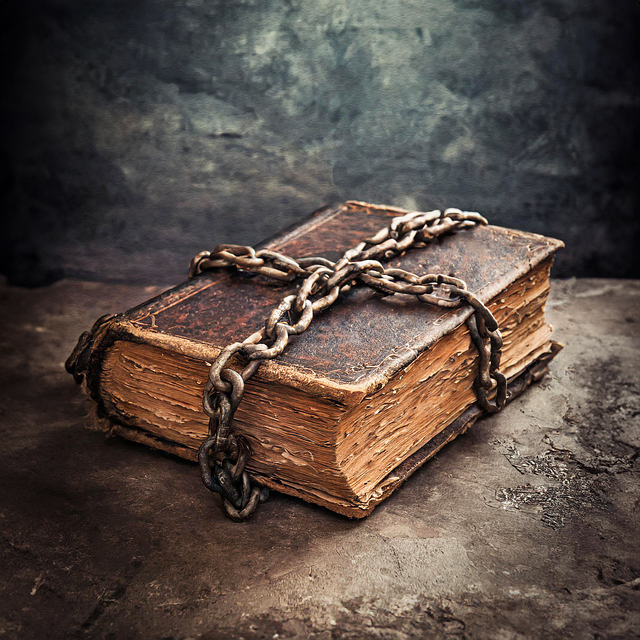
There is a long list of books that are truly prohibited in Canada. When I say truly prohibited, I mean that the RCMP will grab them from the shelves of public libraries and shred them, and that customs officers will dispose of them if they find that someone has tried to ship them into the country. No one cares about this though, because Canadians don’t care about freedom of speech, they care about the expediency with which children can be indoctrinated in progressive thinking. Here is a list of some of the books that are actually banned in Canada:
- Mystery Babylon: New World Order Unveiled! Volume 1 by Eli James and Clay Douglas
- The Commission by Richard Barrett
- The Great Impersonation by Pastor Eli James
- From the Temple to the Talmud by Dr. Harrell Rhome
- The Synagogue of Satan: Updated, Expanded & Uncensored by Andrew Carrington Hitchcock
- The Definition of a Broke Ass – 1st and 2nd Printing; by Dawah Bayn Yisrael (Brother Dawah)
- Black Invention Myths by Byron Calvert
- Communism With The Mask Off by Dr. Joseph Goebbels
These are just a handful of books that are prevented from entering the country because they are classified as hate propaganda. There are many others that are prohibited because of Canada’s obscenity laws. Regardless of what you think of the above books, it is absurd to pretend to be concerned about free speech if you’re not concerned that your country regularly prevents books from entering the country. In 1984, the RCMP even seized a copy of “The Hoax of the 20th Century” from the University of Calgary’s library. It was put back on a technicality, as the book was only classified as prohibited after that copy had entered the country. The RCMP seized another copy in 1995 from a public library in Didsbury, AB, however, and shredded it.
The prohibition against certain books in Canada is a part of a larger problem, which is the illegality of “hate speech.” What constitutes hate speech in Canada is subjective and broad. It includes holocaust denialism, and some politicians have suggested that it should include residential school denialism as well. The proposed inclusion of the latter is particularly concerning, given that people like Frances Widdowson, a well-respected academic who has criticized some elements of the residential school narrative, has been continually smeared as a denier.
On another free speech front, the federal government has proposed legislation that would expand the government’s powers in regard to hate speech and make it a crime to display “certain terrorism or hate symbols in public.” It would also make it a crime to “intimidate and obstruct people from accessing places of worship, schools, and community centres.” Of course, it is already a crime to obstruct people from going about their business, so why this law is needed and how it will be applied is unclear to me.
The fact that those who are railing against Alberta’s “censorship” are not also up in arms about these attacks on freedom of expression is revealing. It suggests that they are not concerned with whether people are able to exercise their rights. I imagine that most of them are just upset that the government is standing up to the extremely progressive public school system. I hope that the government continues to do so and that more people become concerned with the actual free speech issues that Canada faces.