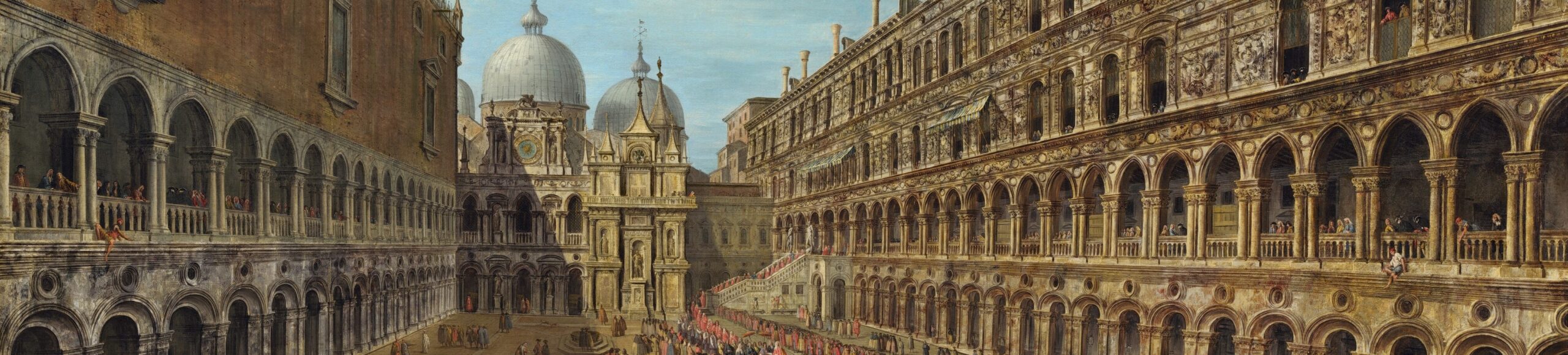
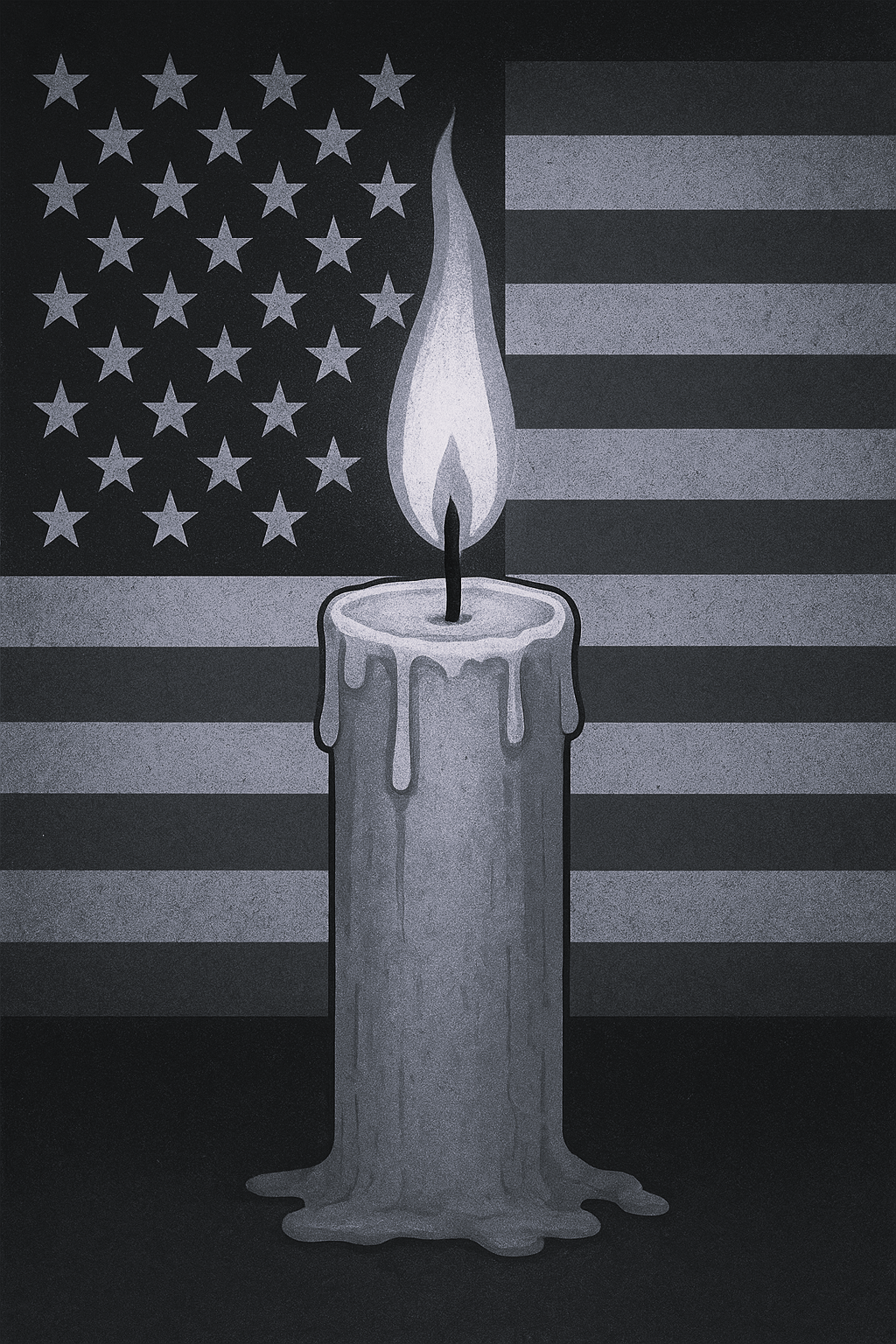
The democratic era has coincided with the erosion of Western heritage, culture, and people. Mass immigration has corroded social cohesion and displaced local traditions, while elected leaders have proven not only unwilling but incapable of defending the West against modern threats.
Why does this matter?
Because we don’t have a longstanding history of democracy in the West, and we have a very questionable commitment to key democratic ideals. For most of European history, nations thrived and expanded under monarchs, not elected assemblies. The great powers of Europe — and even the colonies that became the United States, Canada, and Australia — were built under monarchies. Democracy is the exception, not the rule.
And here is the simple truth: people care more about the survival of their culture and lineage than about the process by which leaders are chosen. If democracy proves incapable of securing their future, people will abandon it without hesitation. Survival will always rank higher than process.
We offer all sorts of complicated analyses on the decline of democracy, but it has never struck me as complicated. People do not care that much about democracy, and if made to choose between democratic principles and their survival, they will choose survival every time.
This is not an odd perspective. It is irrational to be committed to a process that produces bad outcomes. In any other context, we would judge a process by its outputs. A private corporation measures management by profits; an engineer judges safety procedures by whether planes crash; a farmer judges irrigation by crop yields. Indeed, we would think it odd not to do this. If an automobile company, for example, refused to change manufacturing procedures despite constant malfunctioning of cars produced, we would question the mental capacity or motives of the parties involved.
And yet we insist on forever preserving our democratic process when it has produced utterly devastating and absurd results for native Europeans.
The other side will argue that there is a moral consideration to the democratic process that does not exist in the examples provided above — meaning that democracy is an ethical system and other forms of government are not. Democracy is not a means to an end; democracy is the end in itself.
One might frame this as a debate between moral imperatives (rules to follow regardless of outcomes) and utilitarianism (judging actions by their outcomes alone), but this is giving the pro-democracy crowd too much credit. What is the moral imperative one violates if they move away from a democratic system? Consent of the governed? Perhaps, but does anyone truly believe that modern democracy provides this? Democracy has devolved into an illusion of choice, maintained by billionaires and their media allies, while the masses cheerfully participate in their own dispossession.
If that illusion shatters — and it is beginning to across the West — people will likely decide that survival, heritage, and continuity matter more than abstract democratic ideals. They will not cling to a process that destroys them. Whether or not democracy survives, then, will depend on whether democratically-elected leaders in the West can muster the strength to deport illegal migrants, close their borders, end the demonization of native Europeans, and protect and promulgate European heritage.
If they can, democracy may limp on.
If they cannot, democracy is finished.
I, for one, am doubtful.